
Your Home's Shield: A Guide to Choosing Durable Exterior Paint for New England Weather
Living in Connecticut means experiencing the full spectrum of seasons, from hot, humid summers to frigid, snowy winters. While beautiful, this classic New England weather can be incredibly tough on your home's exterior. The constant cycle of moisture, sun, and temperature swings can cause paint to fade, crack, and peel, leaving your home's siding vulnerable to damage. Choosing the right exterior paint isn't just about color; it's about selecting a durable shield that will protect your investment for years to come. As a trusted painting company in the Hartford area, we at Father And Son Painting have seen firsthand what works—and what doesn't—when it comes to protecting a home from the elements. This guide will walk you through how to choose the best paint for a beautiful, long-lasting finish.
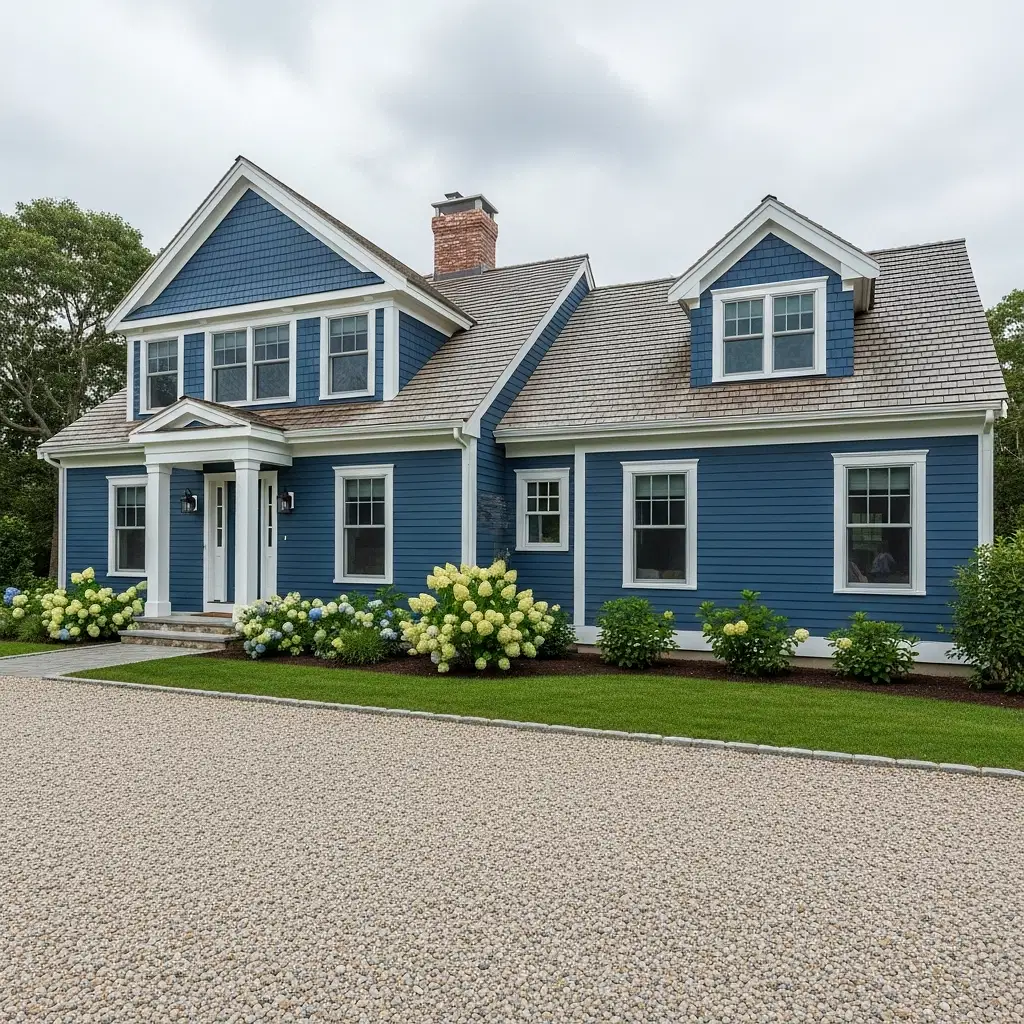
Understanding the Challenge: How Connecticut Weather Affects Your Paint
Before you can choose the right defense, you need to understand the forces your home is up against. The weather here poses several unique challenges that can prematurely age your home's exterior.
- Moisture and Humidity: Our humid summers are a breeding ground for mildew and mold, which can grow on and even under the paint film. Rain, snow, and ice introduce moisture that can seep into cracks, causing the paint to bubble and peel from within.
- Freeze-Thaw Cycles: In the winter and early spring, water that has penetrated the wood siding freezes and expands, then thaws and contracts. This constant movement puts immense stress on the paint, leading to cracking and flaking.
- UV Radiation: The summer sun's ultraviolet rays are relentless. They break down the binders in the paint, causing the vibrant color you chose to fade and become chalky. This degradation weakens the paint's protective qualities.
An inferior paint job will quickly succumb to these pressures, leading to costly repairs and the need to repaint far sooner than expected. That's why selecting a high-quality, weather-resistant paint is the most important decision you'll make for your exterior home painting project.
The Key Ingredients of a Weather-Resistant Paint
Not all paints are created equal. When you're at the store, the wall of options can be overwhelming. Here’s what to look for to ensure you're getting a product that can handle our climate.
1. 100% Acrylic Latex Base: For New England homes, a top-quality 100% acrylic latex paint is almost always the best choice. Unlike oil-based paints, which can become brittle over time, acrylic paint remains flexible. This allows it to expand and contract with your home's siding during temperature fluctuations, making it far more resistant to cracking and peeling. It's also breathable, allowing trapped moisture to escape, which helps prevent blistering.
2. High-Quality Binders and Pigments: The price difference between budget and premium paint often comes down to the quality of its core ingredients. Premium paints contain more high-quality binders (the glue that helps the paint adhere and provides durability) and better pigments (for long-lasting color). They also include additives that resist mildew and algae growth—a must-have feature in our humid climate.
3. The Right Sheen: The sheen you choose affects both appearance and durability. For siding, a satin or low-lustre finish is an excellent choice. It offers a slight gloss that is more durable and easier to clean than a flat or matte finish, but it isn't so shiny that it highlights imperfections. For trim, doors, and windows, a semi-gloss finish provides superior durability to withstand frequent contact and cleaning.
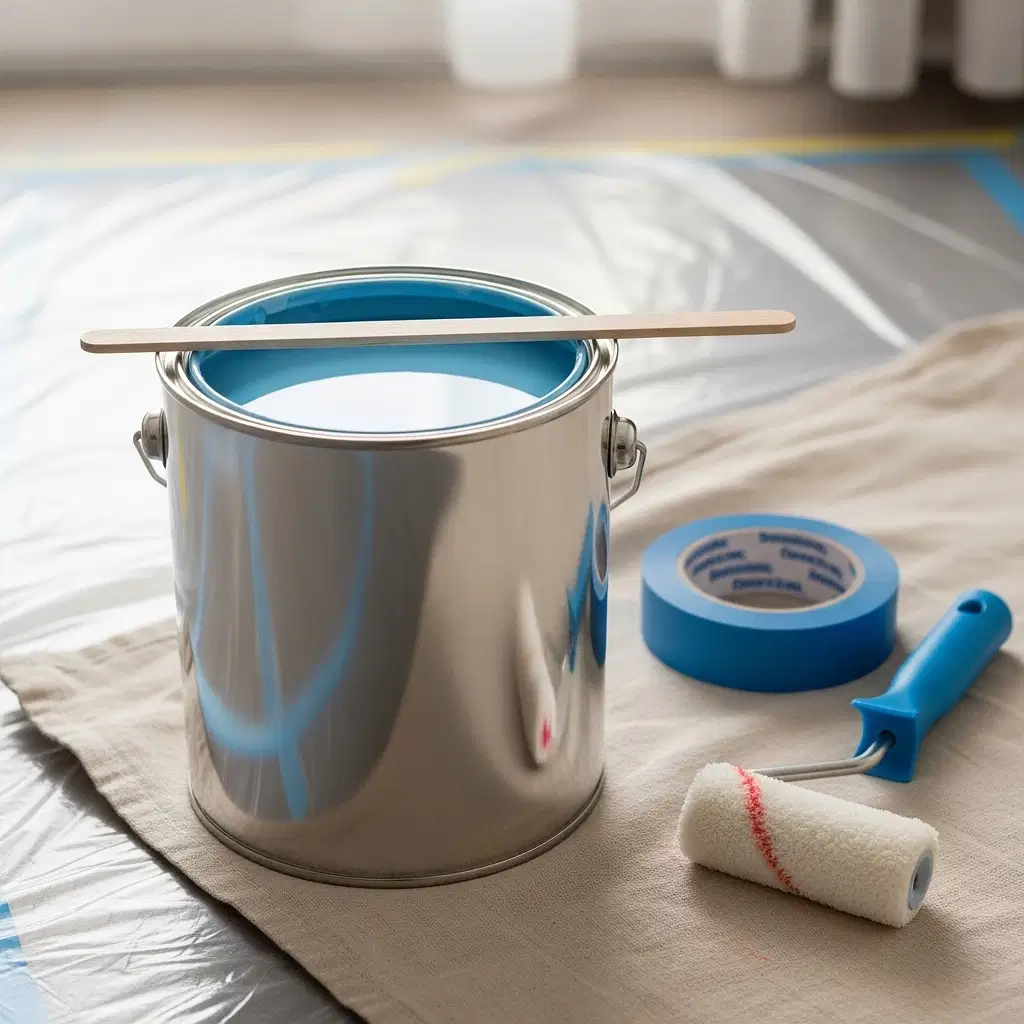
Why Preparation is More Important Than the Paint Itself
Even the most expensive, advanced paint in the world will fail if it's applied to a poorly prepared surface. This is where the expertise of a professional painter truly shines and where many DIY projects go wrong. A lasting paint job is built on a foundation of meticulous preparation.
Our process always begins with creating a clean, sound surface ready to receive a new coat. This typically involves:
- Thorough Cleaning: We use pressure washing to safely and effectively remove all dirt, grime, chalky residue, and mildew. This step is non-negotiable for proper paint adhesion.
- Scraping and Sanding: Any loose or peeling paint must be scraped away. We then sand the edges to create a smooth transition between the old paint and the bare surface, ensuring the final finish looks seamless.
- Making Necessary Repairs: We inspect for and repair any cracked caulking, split wood, or minor damage to the siding. Painting over problems only hides them temporarily.
- Priming: Applying a high-quality primer to bare wood and repaired spots is essential. Primer seals the surface, prevents stains from bleeding through, and provides an ideal anchor for the topcoat to bond to, ensuring a uniform and durable finish.
This detailed prep work is what guarantees the longevity and beauty of your residential painting project.
Protect Your Home with Confidence
Choosing the right paint for Connecticut's demanding weather is the first step in protecting your home's beauty and structural integrity. By opting for a high-quality, 100% acrylic latex paint and ensuring it's applied over a perfectly prepared surface, you're investing in a finish that will stand strong against humidity, sun, and snow for years to come.
At Father And Son Painting, we combine our deep understanding of local climate challenges with a commitment to quality craftsmanship and customer service. We use only premium products and follow a meticulous preparation process to deliver results that last. If you're ready to give your home the durable, beautiful shield it deserves, we're here to help.
Contact us today to schedule a free, no-obligation estimate for your exterior painting project in the Hartford area. Let's work together to make your home look its best. Get Your Free Quote.