The Secret to a Lasting Finish: Why Professional Surface Preparation Determines Longevity
There is nothing quite as frustrating for a homeowner as investing time and money into a fresh coat of paint, only to see it start peeling, bubbling, or flaking a few short months later. Many people assume the issue lies with the quality of the paint itself, but in reality, the hidden culprit behind peeling paint is almost always inadequate surface preparation. Whether you are refreshing a cozy living room or restoring a historic colonial exterior, the longevity of your paint job depends entirely on the foundation laid before a single brush is ever dipped into a can.
Here in Connecticut, our homes go through a lot. From the humid, salty air near the shoreline to the freezing winter winds sweeping through the Litchfield Hills, every season tests the durability of our homes' surfaces. At Father And Son Painting, based right here in Southington, we understand that a beautiful finish is only as strong as what lies underneath it. In this post, we will explore exactly why professional surface preparation determines longevity and what you should expect from a high-quality painting contractor.
Why Surface Preparation Prevents Peeling Paint
To understand why prep work is so crucial, it helps to think of paint as a specialized adhesive. For paint to stick, it needs a clean, dry, and slightly textured surface to grip onto. If a surface is covered in microscopic dust, greasy fingerprints, old flaking paint, or hidden moisture, the new paint will adhere to that debris instead of the wall itself. As temperature and humidity fluctuate, the new layer of paint will pull away from the wall, resulting in unsightly cracks and peeling.
Many homeowners ask us: what prep work painting contractors include when they provide an estimate? It is a great question, as transparent pricing and clear expectations are priorities for anyone hiring a local business. A thorough, ethical painting company will dedicate a significant portion of the project timeline entirely to preparation. Rushing through this stage might save a few dollars upfront, but it inevitably leads to costly repairs and repaints down the road. Quality workmanship means never cutting corners when it comes to laying the groundwork.
What Professional Wall Prep Before Interior Painting Looks Like
When we take on an interior painting project, we treat your home with the utmost respect. The preparation phase goes far beyond just laying down a few drop cloths.
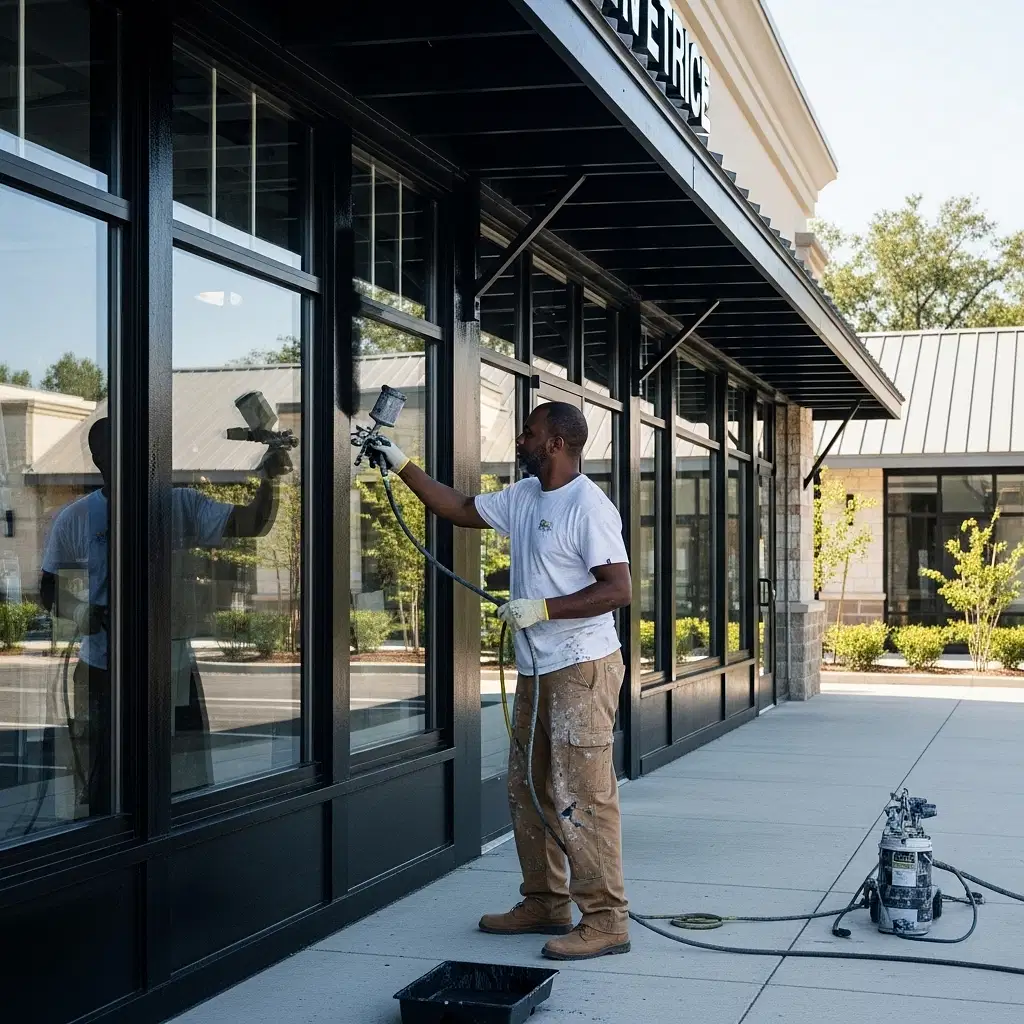
First, we protect your floors, furniture, and fixtures. We know that cleanliness and thorough post-job cleanup are major priorities for our clients. Next, we meticulously inspect the drywall or plaster for imperfections. Any nail holes, dents, or cracks are filled with high-quality spackle and sanded completely smooth.
Sanding is a vital step that is often skipped by DIY enthusiasts. It lightly scuffs the existing finish, creating a 'tooth' that allows the new paint to bond securely. After sanding, the walls must be thoroughly washed to remove any lingering dust or oils. This is particularly important in high-traffic areas like kitchens, where cooking grease can create an invisible barrier that prevents paint adhesion. Only after the surface is smooth, clean, and completely dry is it ready for the next phase.
Exterior Prep: Braving the Connecticut Seasons
For exterior home painting, the stakes are even higher. A quality exterior paint job is your home's first line of defense against the elements. If you are a fellow Nutmegger, you know that our weather can be incredibly unforgiving on wood siding, trim, and shingles.
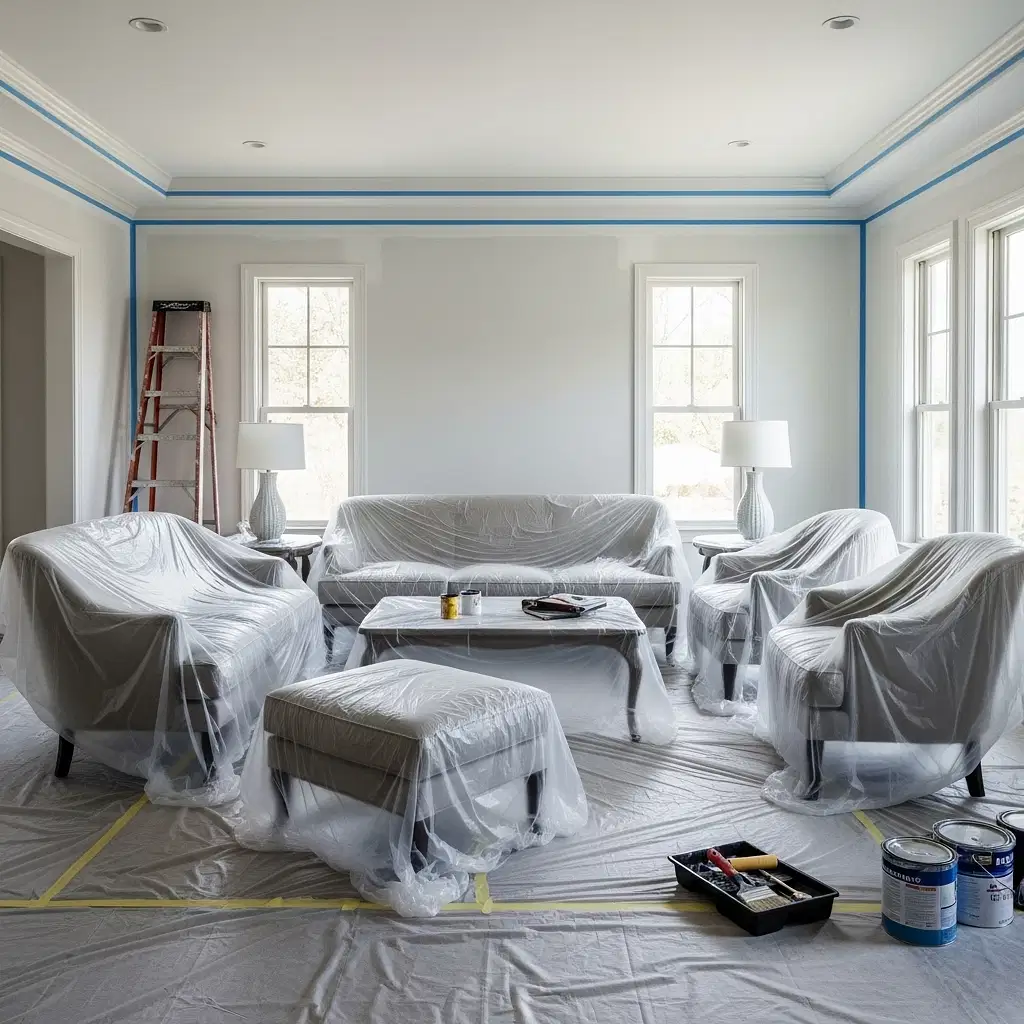
Exterior prep typically begins with a professional power wash to remove years of built-up dirt, pollen, and mildew. Next comes the labor-intensive process of scraping away any loose, flaking paint. We scrape down to a sound, solid surface, feathering the edges with sandpaper so that the transition between the bare wood and the existing paint is seamless.
We frequently hear the question: Do I need to apply a primer before painting, or is a paint-and-primer-in-one sufficient? While modern all-in-one products have come a long way and work well for simple interior color changes, bare wood, stained surfaces, and patched areas always require a dedicated, high-quality primer. Primer is formulated specifically to seal porous surfaces and provide a uniform base coat. Skipping primer on a weathered exterior is a guaranteed recipe for failure.
The Father And Son Painting Difference
Finding a trustworthy contractor in a crowded market can feel overwhelming, especially when you hear stories of unlicensed crews providing rushed, subpar work. We founded Father And Son Painting on three core values: exceptional customer service, the use of high-quality products, and ethical, committed business practices. We believe that professional painting isn't just about changing a color; it's about protecting your biggest investment and creating spaces you love to live in.
Because we prioritize detailed, accurate pricing estimates, you will always know exactly what preparation work is included in your project before we ever pick up a brush. We pride ourselves on reliability, punctuality, and delivering a finish that stands the test of time.
If you are ready to transform your home with a paint job designed to last, we are here to help. Contact us today to discuss your next residential or commercial painting project, and let us show you the difference that proper preparation truly makes.