Preserving Charm: Lead-Safe Painting Practices for Historic Properties
If you take a stroll through the West End or Asylum Hill, you cannot help but marvel at the stunning architectural heritage that defines our community. From grand Victorian estates to classic colonials, the historic properties in Greater Hartford offer unparalleled character. However, maintaining that historical charm comes with a unique set of responsibilities. For homeowners, one of the most critical challenges is addressing the aging materials that protect these beautiful structures, specifically when it comes to paint.
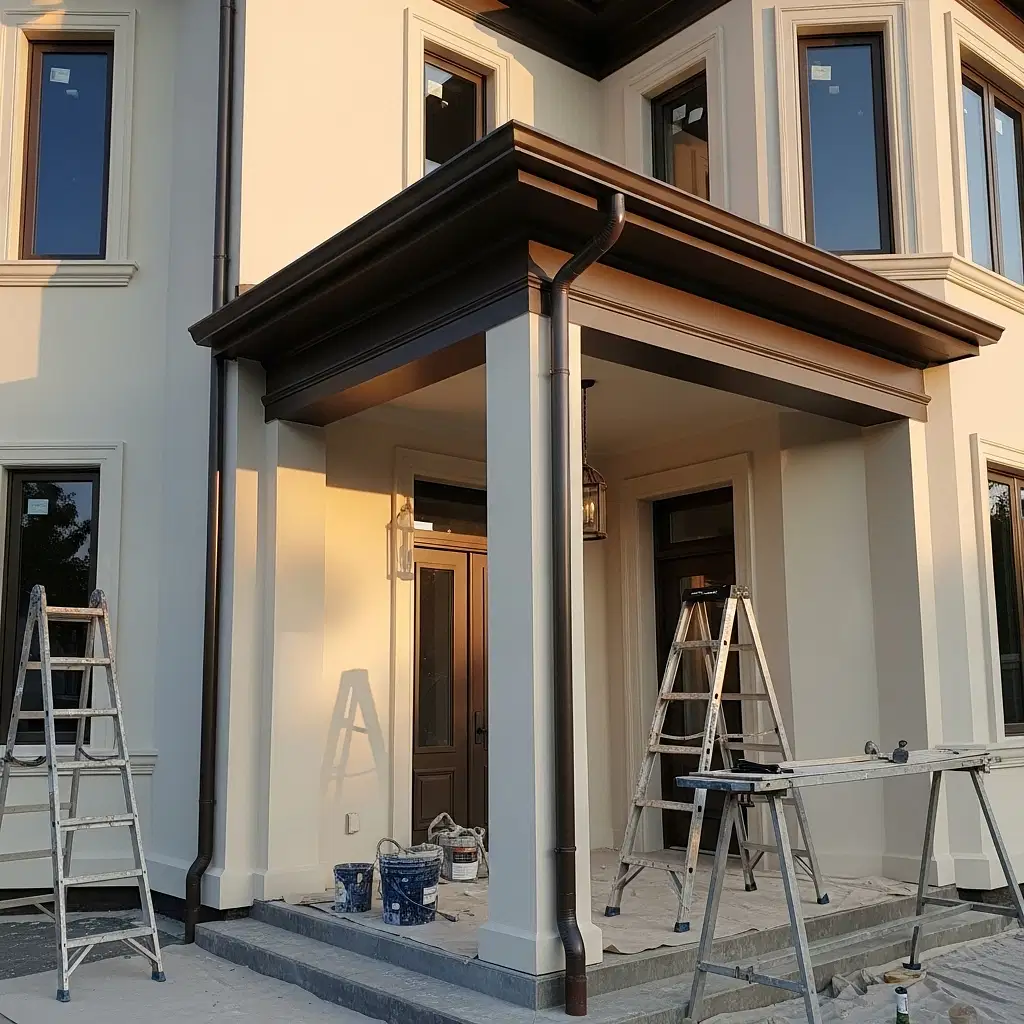
Homes built before 1978 often feature layers of lead-based paint. While incredibly durable, this paint poses significant health and environmental risks as it deteriorates. When you are looking to fix peeling paint on exterior wood or refresh your interior walls, standard scraping and sanding simply won't cut it. Navigating the delicate balance between preserving the historical integrity of your home and ensuring the safety of your family requires specialized knowledge and rigorous safety protocols.
Understanding the Risks of Older Paint
For decades, lead was a standard additive in paint used to accelerate drying, increase durability, and resist moisture. Because of our distinct four seasons and harsh winter weather, these resilient paints were heavily utilized on exteriors and interiors alike. Today, we know that inhaling or ingesting the dust created by deteriorating lead paint is hazardous.
So, how to safely manage peeling lead paint on old houses? The answer lies in containment and specialized removal. It is not something that should be tackled with a weekend DIY mindset. Disturbing lead paint without the proper training can inadvertently spread toxic dust throughout your property, contaminating your soil and living spaces. This is why federal regulations mandate that any renovation, repair, or painting project that disturbs lead-based paint in homes built before 1978 must be performed by a firm certified by the Environmental Protection Agency (EPA).
The Professional Approach to Lead-Safe Preparation
Proper lead safe home interior and exterior restoration is a meticulous process. When an epa rrp certified contractor paint preparation plan is put into action, the primary goal is zero contamination. The work area is completely sealed off. For interiors, this means sealing doors and vents with heavy plastic and using HEPA-filtered exhaust fans to create negative air pressure. For exteriors, the ground is covered entirely with heavy-duty polyethylene plastic extending far beyond the work zone to capture every single paint chip and dust particle.
Traditional dry scraping and power sanding are strictly avoided because they generate massive amounts of airborne dust. Instead, professionals use wet scraping and wet sanding techniques. By lightly misting the surface with water before working, dust is weighed down and prevented from becoming airborne.
Even common cleaning methods have to be adjusted. When prepping a historic home for exterior home painting, contractors must be incredibly careful. While pressure washing is an excellent way to clean surfaces and remove mildew, it must be done with specific containment strategies when lead is present, ensuring that no paint chips are blasted into the surrounding yard or public walkways. After the preparation is complete, the entire area is meticulously vacuumed using specialized HEPA vacuums and washed down to ensure no microscopic dust remains.
The Importance of High-Quality Products on Older Homes
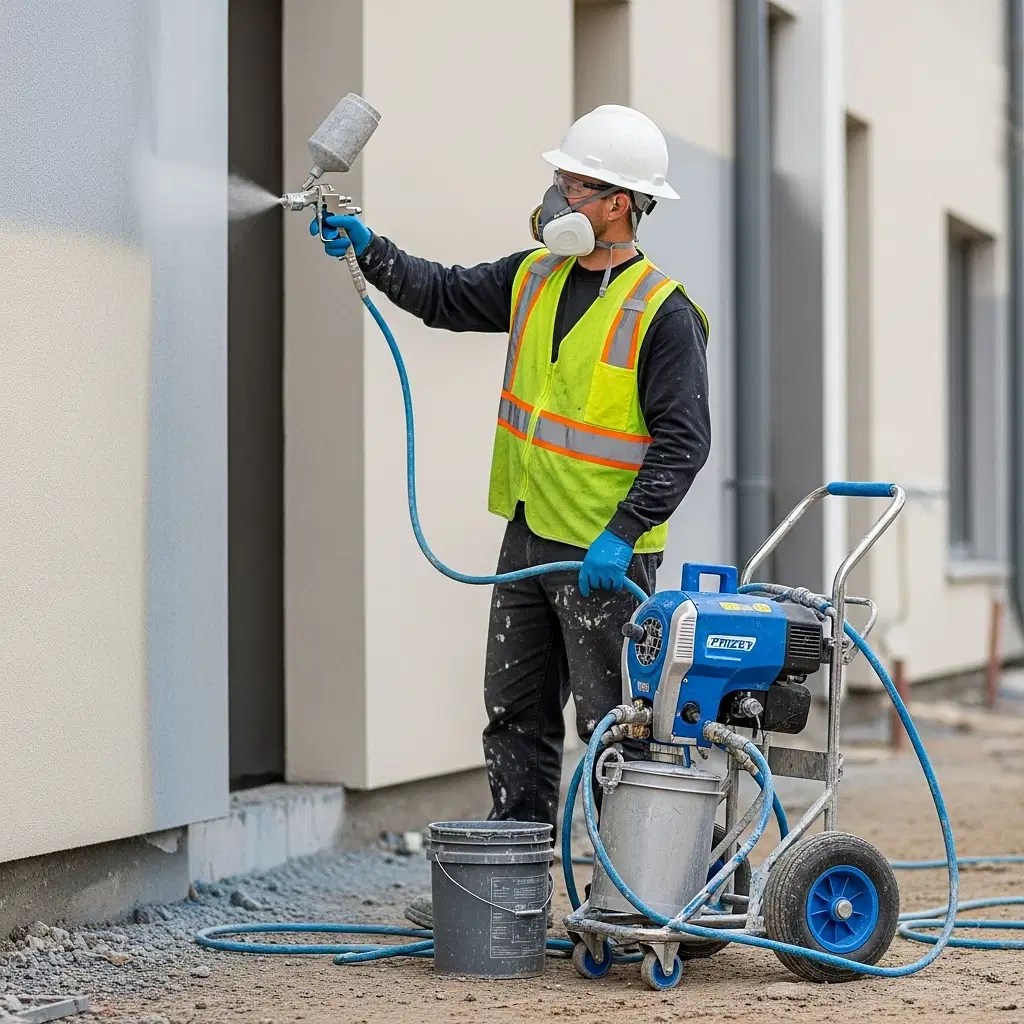
Once the hazardous materials are safely managed and the surface is properly prepped, the focus shifts to preservation. Historic wood requires specialized primers that can bond to aged surfaces and prevent future peeling. Using premium, weather-resistant paint is crucial for surviving our local climate fluctuations.
Modern low-VOC and zero-VOC paints provide excellent coverage and durability without the harmful chemicals of the past. These modern coatings flex with the temperature changes, sealing out moisture and protecting the delicate woodwork that gives your home its unique identity. Applying these high-quality products over a meticulously prepped, lead-safe surface ensures that the new finish will last for years, protecting your investment and elevating your home's curb appeal.
Partnering with the Right Ethical Professionals
Unfortunately, the painting industry has its share of unlicensed operators who cut corners by ignoring EPA guidelines to offer a cheaper estimate. Choosing these options can expose you to severe liabilities and put your household at risk. When it comes to your family's health and the preservation of your historic property, trust and compliance are non-negotiable.
At Father And Son Painting, our core values are rooted in exceptional customer service, utilizing high-quality products, and delivering ethical and committed services to every fellow Nutmegger we work with. We understand the specific demands of restoring older homes, and we bring a thorough, compliant, and deeply respectful approach to every project.
If you are planning to restore the beauty of your older property and want the peace of mind that comes with knowing the job will be done safely and correctly, we are here to help. Reach out to us today through our contact page to schedule a consultation, and let's work together to preserve the charm of your historic home for generations to come.