
Preparing Wood Siding for New England Winters: A Guide for Homeowners
As the crisp autumn air settles over Greater Hartford, the changing leaves signal more than just pumpkin patches and apple orchards. For homeowners, it is a stark reminder that harsh New England winters are right around the corner. If you live in an older property—perhaps a beautiful historic home in the West End or a classic Colonial in the suburbs—your wood siding is your first line of defense against snow, ice, and freezing rain.
When exterior paint starts to fail, it exposes the underlying wood to severe moisture damage. Once freezing temperatures hit, any trapped water expands, leading to cracked boards, peeling paint, and expensive carpentry repairs. Taking the time to properly prepare your wood siding during the fall can save you significant time, stress, and money come spring. Let's walk through the essential steps to protect your home's exterior before the first frost arrives and winter weather halts all outdoor home improvement projects.
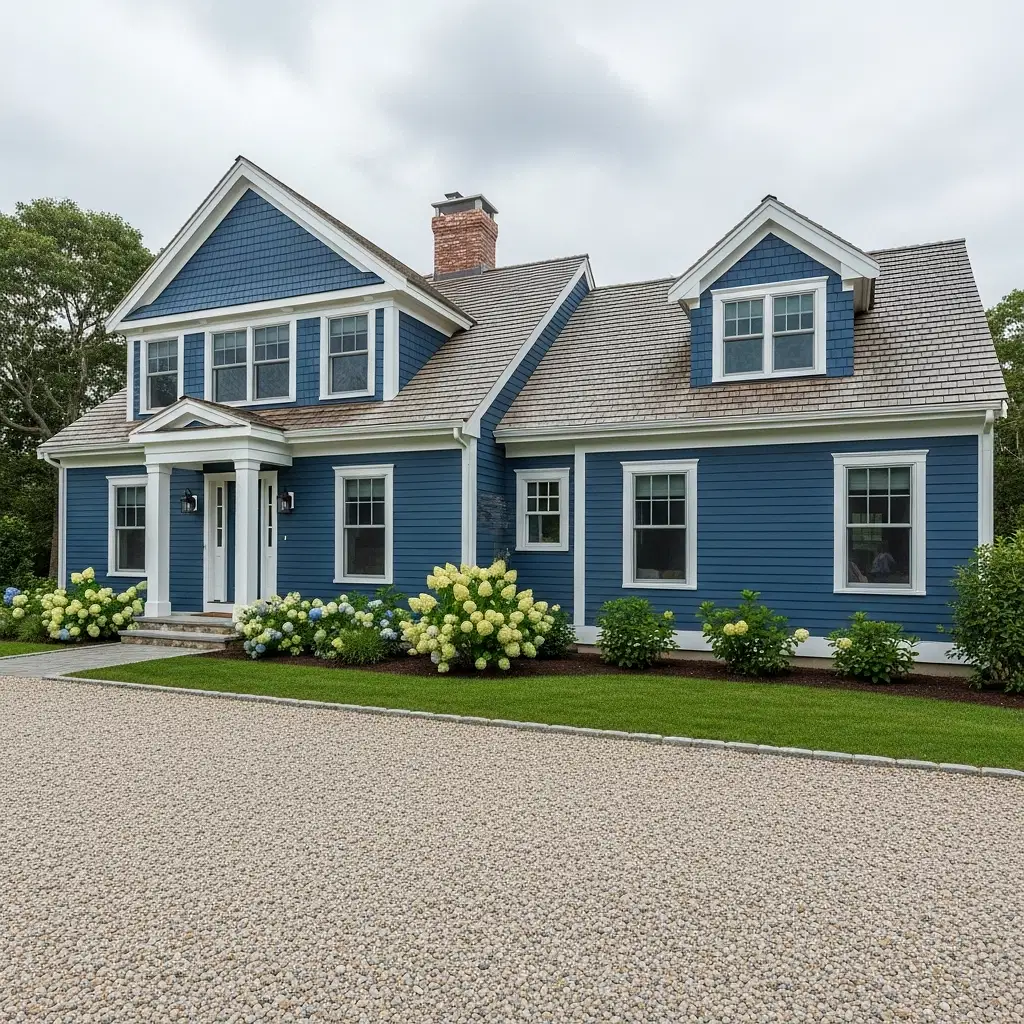
Checking Exterior Wall Paint for Moisture Damage
The first step in winterizing your home's exterior is conducting a thorough visual inspection. When assessing your siding, you are looking for early signs of failure. Checking exterior wall paint for moisture damage involves looking for bubbling, blistering, or flaking paint. These are clear indicators that water has already breached the protective coating and is interacting with the wood beneath.
Pay special attention to areas around windows, doors, and the lower courses of siding where snow tends to pile up against the house. If you spot peeling paint on exterior wood, it is crucial to address it before the relentless freeze-thaw cycle exacerbates the problem. Our team at Father And Son Painting knows firsthand that meticulous surface preparation—scraping, sanding, and applying a high-quality primer—is the only way to ensure the topcoat adheres properly and seals out moisture. For older properties, this preparation must also comply with strict EPA Lead-Safe guidelines to ensure the safety of your family and our crew, an essential consideration given the age of many local homes.
Fall Exterior House Painting Temperature Guidelines
A common question we hear from fellow Nutmeggers is whether it is too late in the season to paint their house. While summer is the traditional painting season, early fall offers excellent conditions, provided you follow the right guidelines and monitor the weather closely.
Understanding fall exterior house painting temperature guidelines is critical for a durable, long-lasting finish. Most high-quality, weather-resistant paints require temperatures to remain above 35 to 50 degrees Fahrenheit, depending on the manufacturer, for both application and the duration of the drying time. Because temperatures in Connecticut can drop rapidly overnight, it is vital to stop painting early in the afternoon to allow the paint to cure before the evening chill and dew set in. Our residential painting experts carefully monitor the weather and humidity to ensure every coat of paint cures correctly, providing a durable shield against the incoming winter storms without sacrificing quality or longevity.
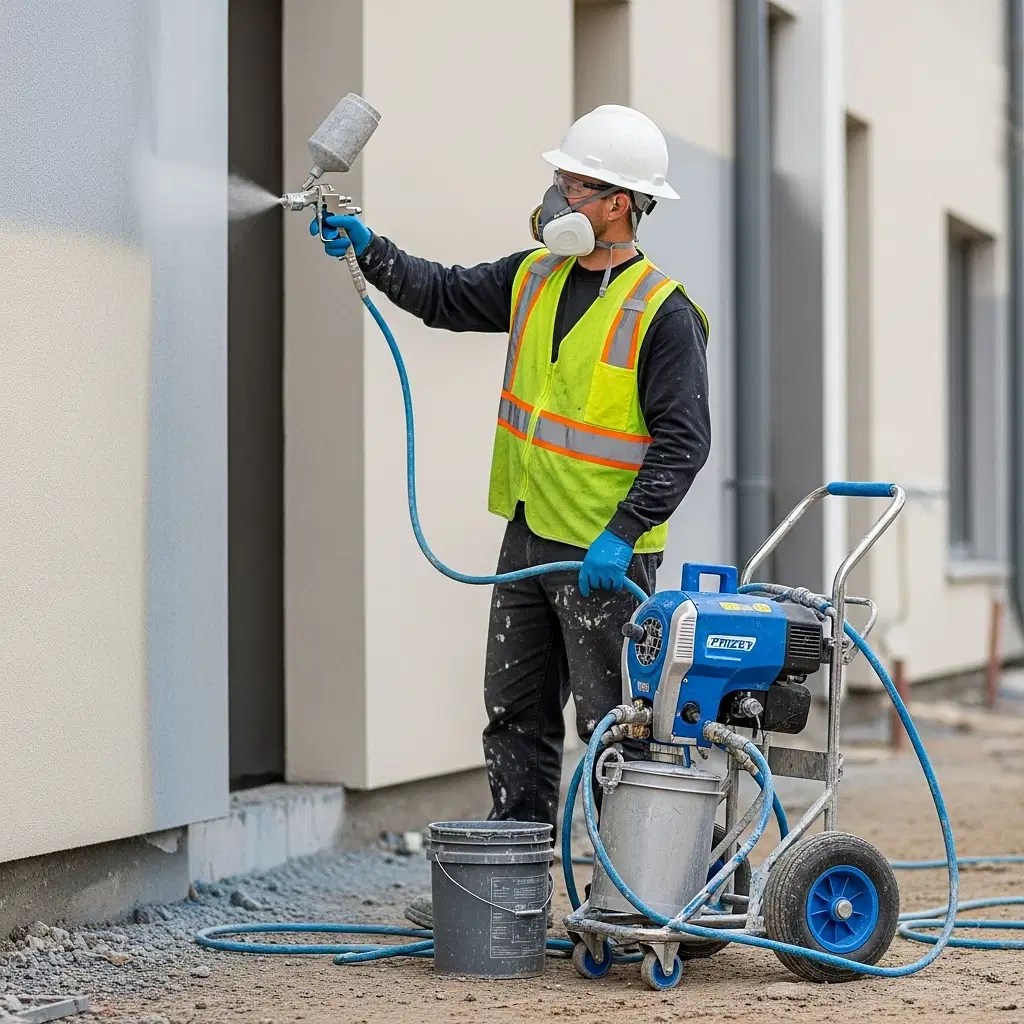
How to Protect Wood Siding from Freezing Rain and Ice
Once your siding is properly sealed and painted, the next step in your winter preparation is managing water flow. You might wonder how to protect wood siding from freezing rain when you obviously cannot control the weather. The answer actually lies at the edge of your roof.
Overflowing gutters are a primary cause of siding damage during the winter months. When gutters are clogged with autumn leaves and pine needles, water spills over the sides, running directly down your freshly painted wood siding. As temperatures drop, this water turns into ice dams and freezing rain buildup, which can literally tear the paint off your house and rot the wood beneath. To prevent this, professional gutter cleaning is an absolute must before winter hits. By ensuring your gutters and downspouts are completely clear, you direct freezing water away from your home's exterior, protecting your siding and your painting investment.
Secure Your Home's Exterior with Professional Help
Getting your home ready for a harsh winter requires a keen eye, proactive maintenance, and attention to detail. Whether you are dealing with fading colors, failing caulk lines, or just want to ensure your home is fully protected, tackling these tasks before November is key. When weighing professional vs DIY exterior painting, the choice often comes down to the durability of the results. Professional painters utilize premium products, detailed preparation, and efficient techniques to ensure your home withstands whatever the season brings.
If you are looking for expert exterior home painting to safeguard your property this season, Father And Son Painting is here to help. We pride ourselves on ethical service, high-quality products, and transparent estimates that take the stress out of home maintenance. We understand the unique challenges of our regional climate and are dedicated to providing solutions that last. Contact us today to schedule your consultation in Southington or the surrounding areas, and let our family protect your home for the winter ahead.